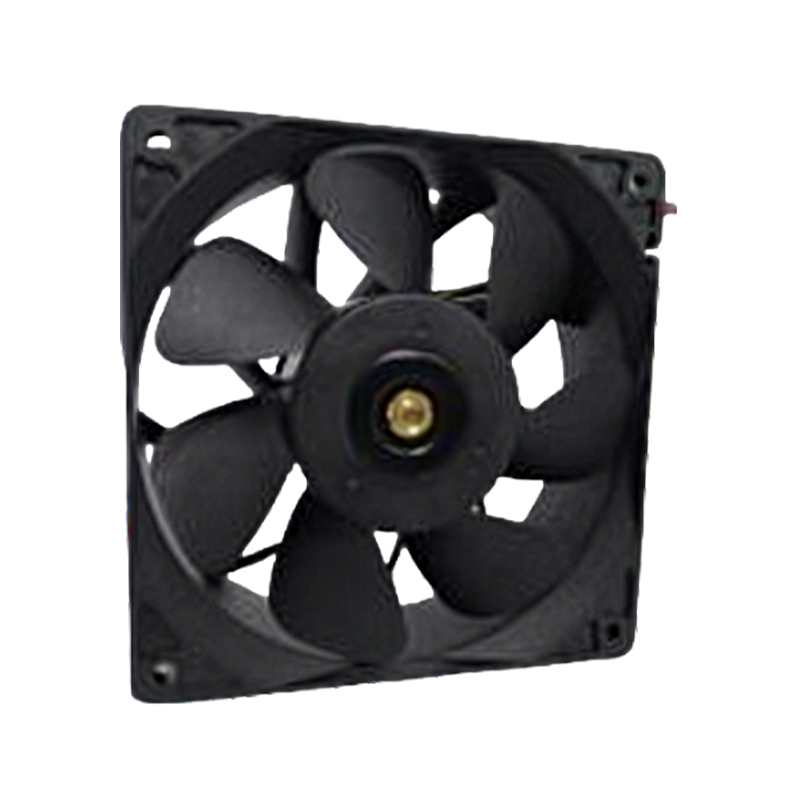

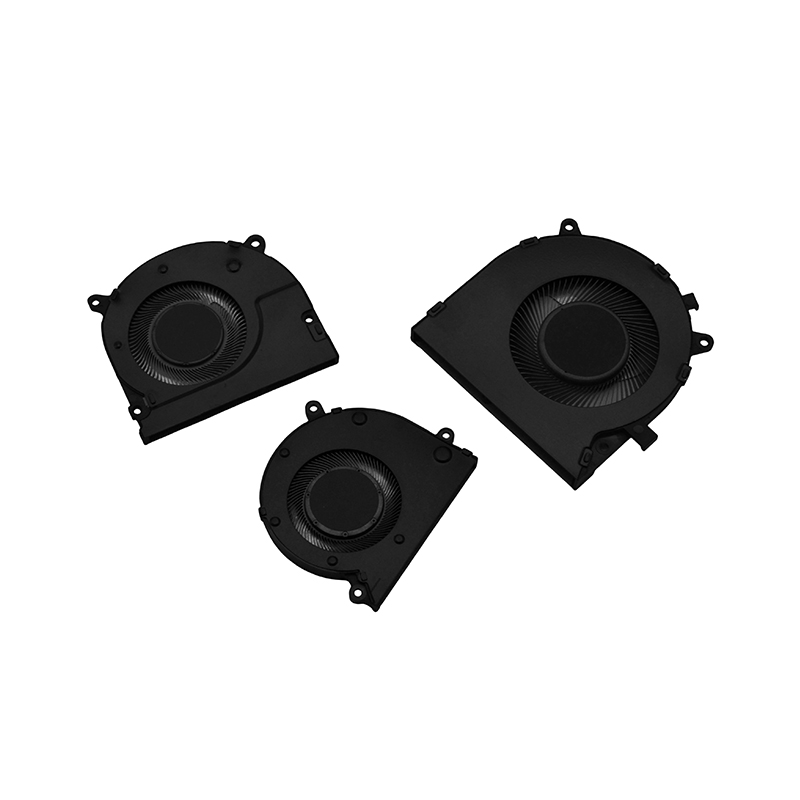
The axial fan square, with its geometric compatibility, airflow coordination, engineering convenience, and system scalability, demonstrates significant advantages in constructing large-area forced air-cooled arrays.
If the sealing performance is not up to standard during actual operation, the fan may not be able to achieve the designed air volume, resulting in insufficient system performance.
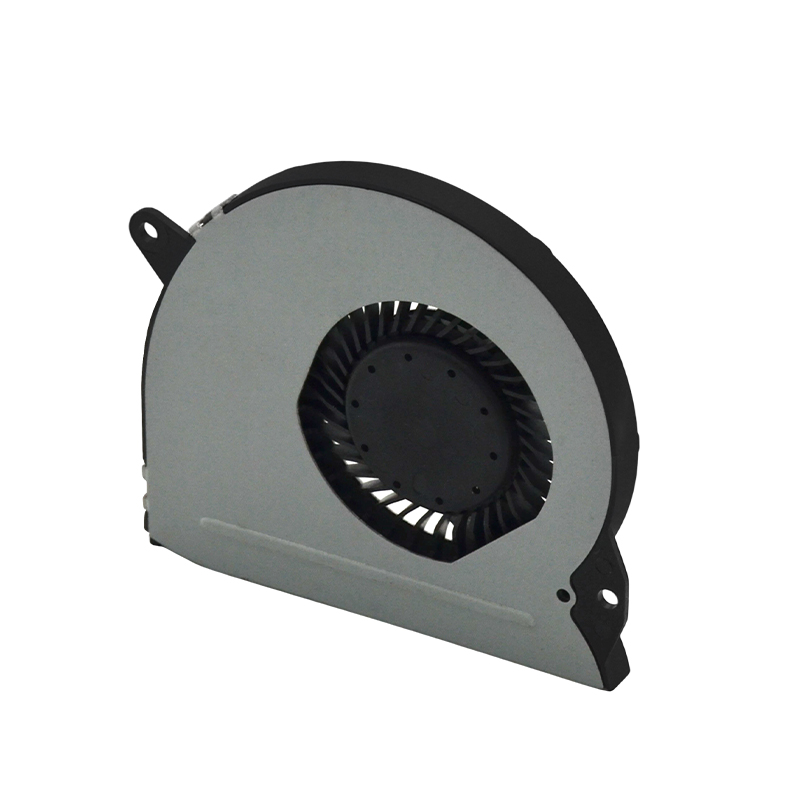
The noise level of a centrifugal fan square at different speeds is affected by multiple factors, and its variation is closely related to aerodynamic noise, mechanical vibration, and structural resonance.
A regular maintenance system needs to be established, including cleaning the inside of the fan, checking electrical connections, and changing the lubricating oil.
From the perspective of structural strength, the clearance design between the centrifugal fan square casing and the impeller is extremely sensitive to dynamic balancing accuracy.
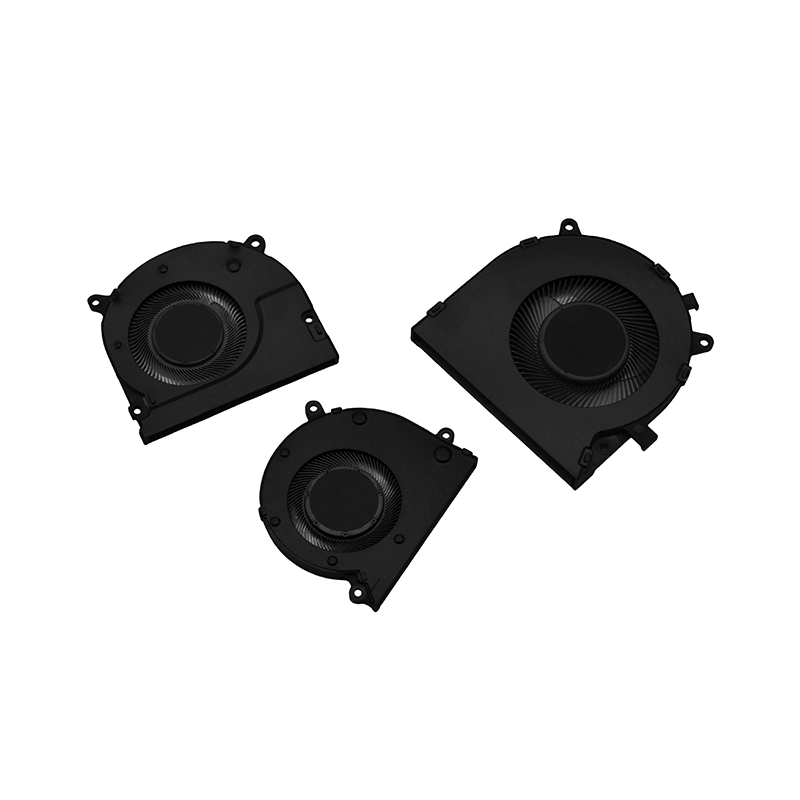
In recent years, the Centrifugal Fan Square has been widely adopted in mid- to high-end robot vacuums due to its compact design and ample space for optimized air ducts.