
The initial cost of high-efficiency motors may be higher, but their energy efficiency advantages can be offset by energy savings over long-term operation.
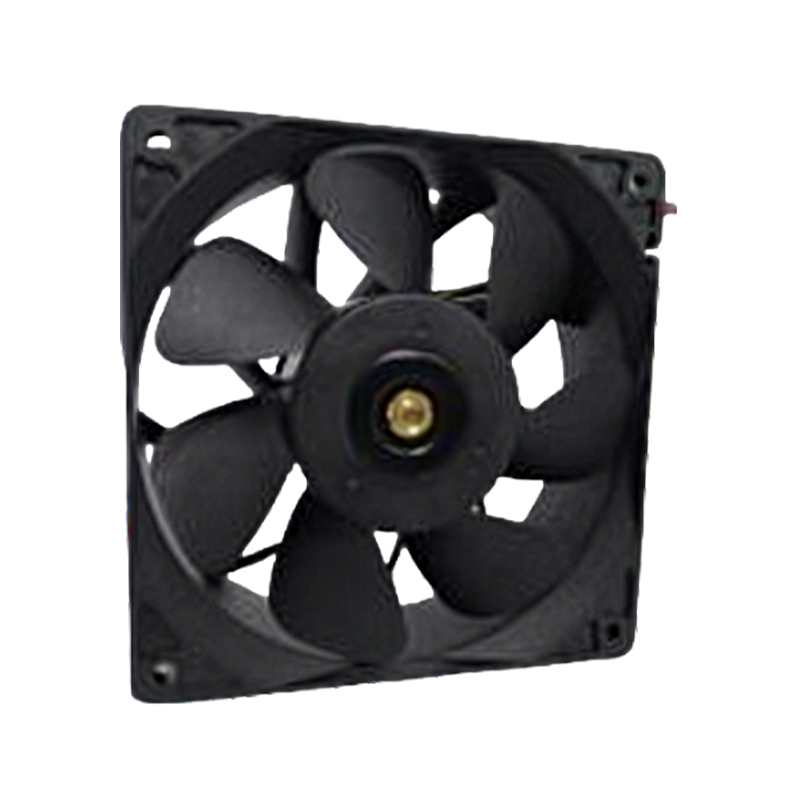
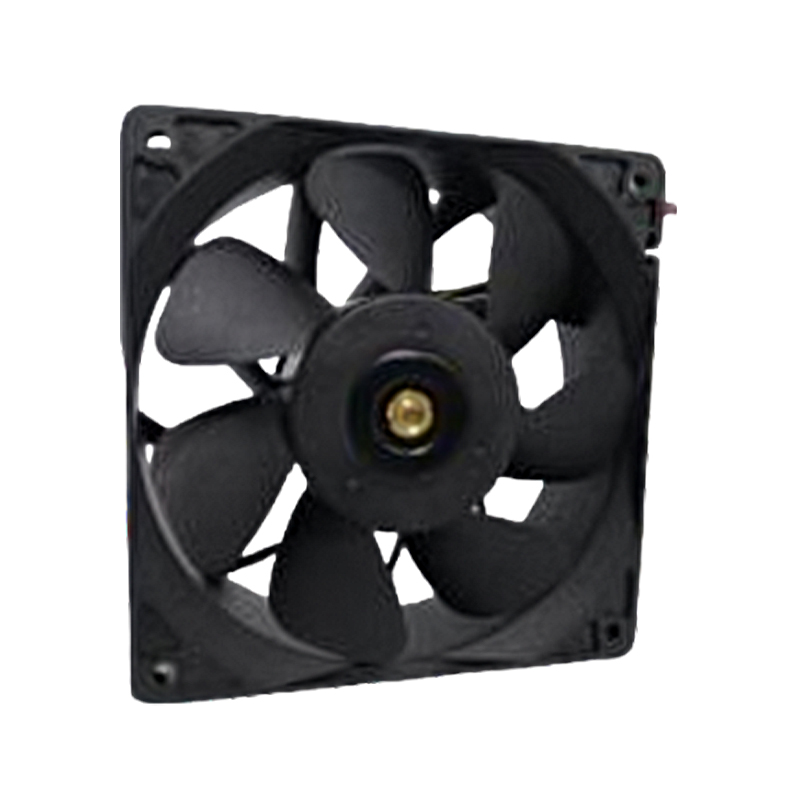
In modern electronic equipment, communication cabinets, industrial control boxes, and data centers—scenarios with extremely high requirements for heat dissipation efficiency and space utilization—axial fan squares have become a mainstream cooling solution
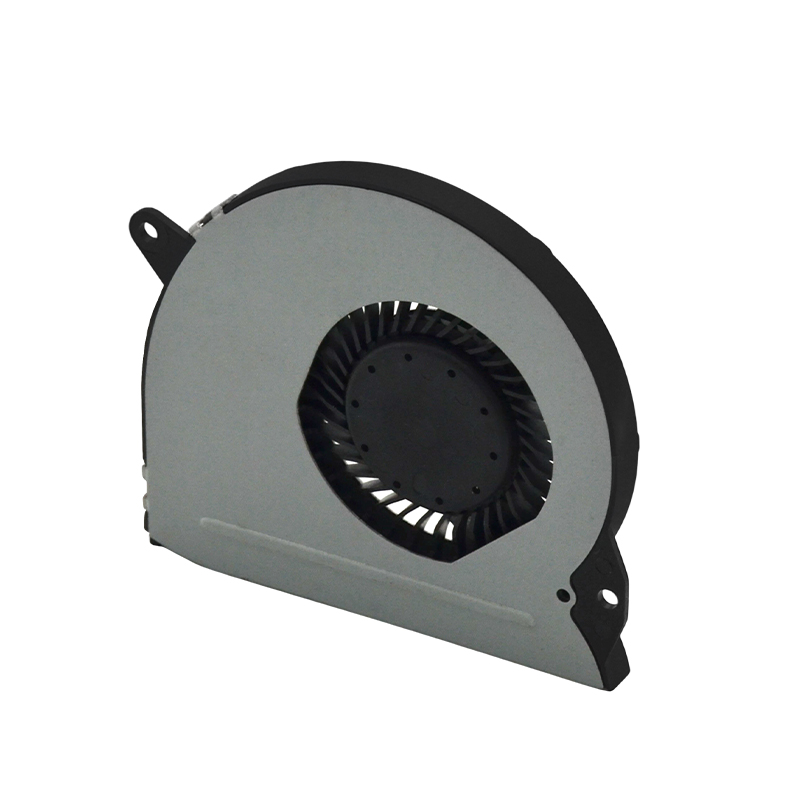
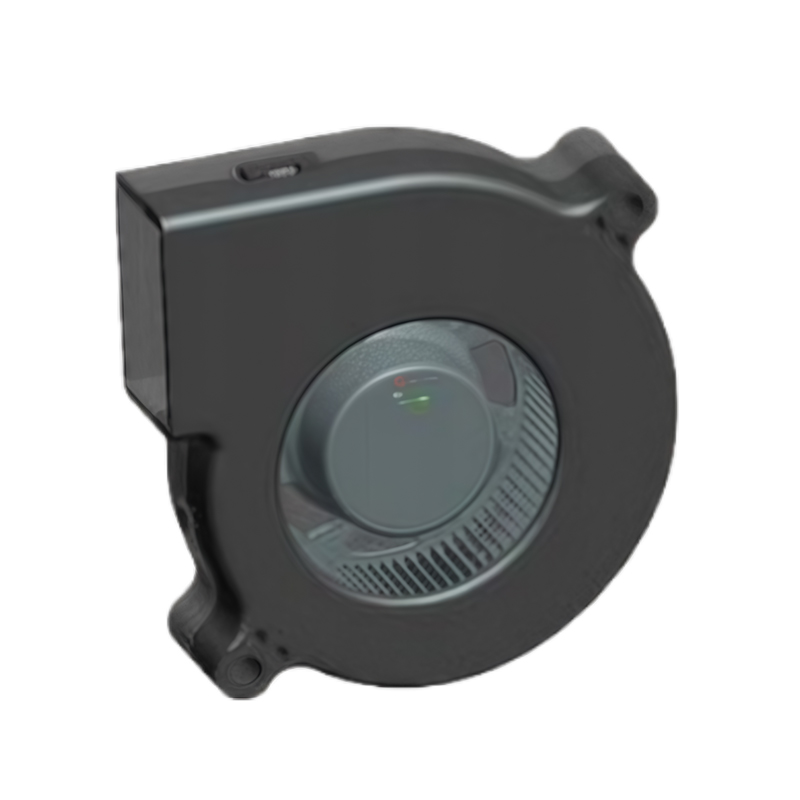
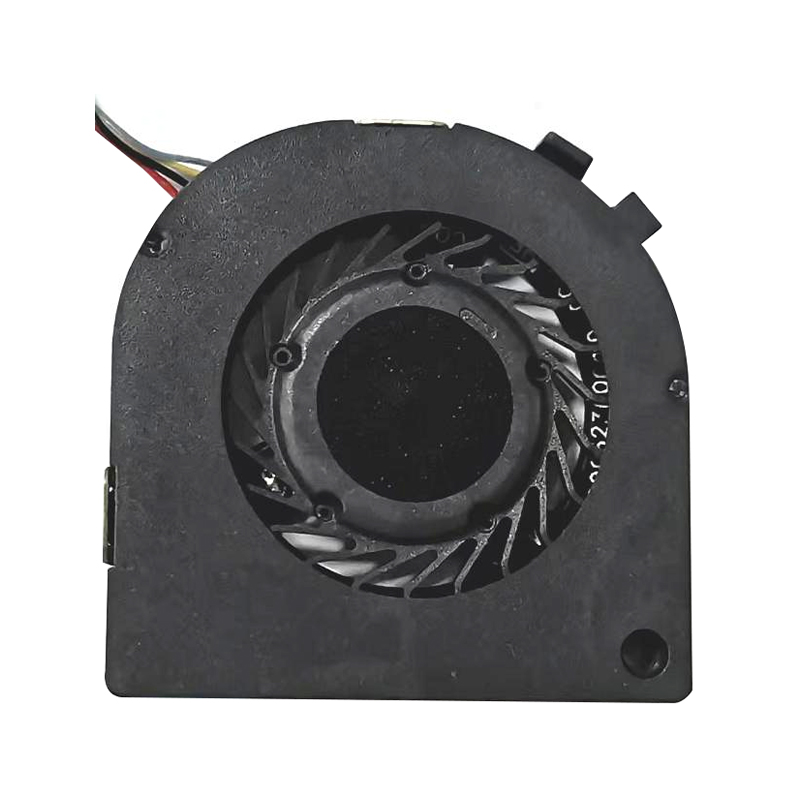
Optimizing the airflow channels of the centrifugal fan square is the core aspect of reducing operating noise, and its design must take into account both airflow smoothness and acoustic characteristics.
The axial fan square, with its geometric compatibility, airflow coordination, engineering convenience, and system scalability, demonstrates significant advantages in constructing large-area forced air-cooled arrays.
If the sealing performance is not up to standard during actual operation, the fan may not be able to achieve the designed air volume, resulting in insufficient system performance.
The noise level of a centrifugal fan square at different speeds is affected by multiple factors, and its variation is closely related to aerodynamic noise, mechanical vibration, and structural resonance.